Mercury's crust points to deeper, hotter volcanic origins than expected
The evolutionary histories of Earth and Mercury differ fundamentally. The smallest planet, closest to the sun, likely began cooling early on, much like a setting pudding: As early as about 1 billion years after its formation, Mercury's volcanic activity came to a halt, and a solid, continuous "rock skin" formed on the planet's surface. Earth's crust, on the other hand, is still in motion: Volcanism and plate tectonics are constantly stirring up the "Earth pudding." Exactly what Mercury's unique volcanic past looked like and how it shaped its current appearance remain unclear. However, researchers can gain important clues from the composition of its surface.

Next post
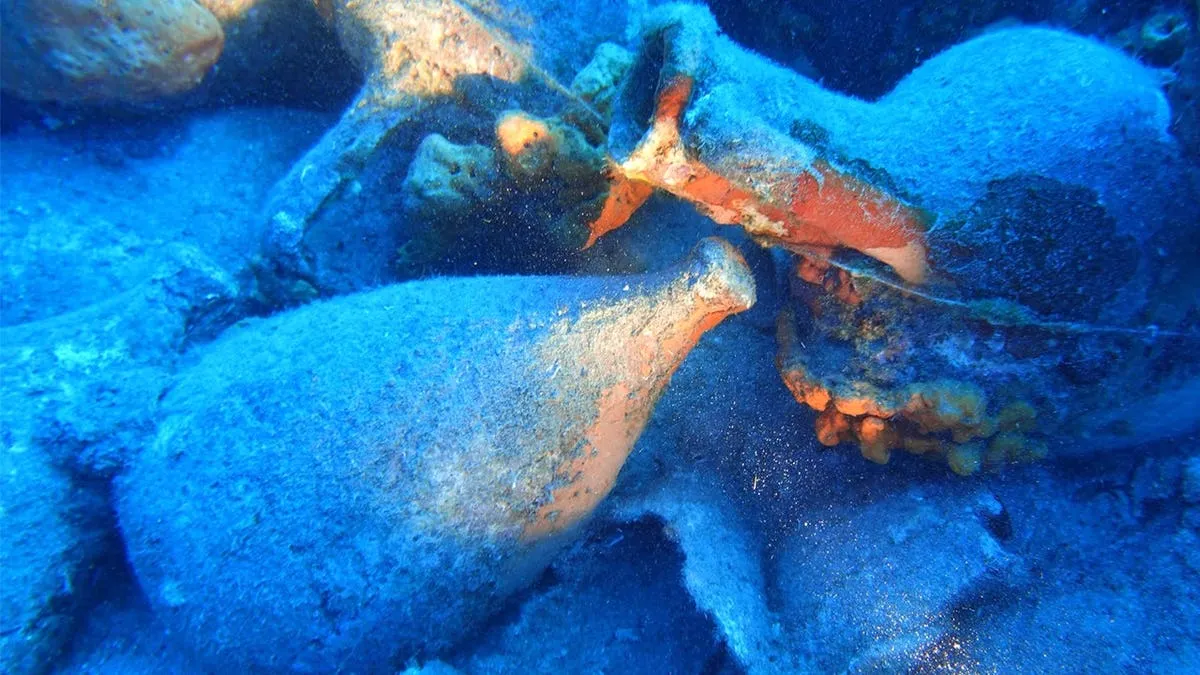
A 2,400-year-old shipwreck carrying hundreds of ancient jars was just discovered off the coast of Greece
Related posts

AI Breakthrough: Novel Enzyme System Discovered with CRISPR-Like Repeats
Coastal Flooding: A Growing Concern Across the Globe

TIL that from 1988 to 1991, Nintendo offered, among other things, weather forecasts, live stock trading, game cheat codes, and the ability to bet on horse races through the Family Computer Network Sys
reddit.com