Skip to main content#Science — ViralHub · ViralHubEuropean forests need to solve two crises—but not necessarily in one place
🔗Link·arstechnica.com·1d·Tech Artist pulls popular screensaver from Roku OS because of Fox acquisition
MTG-I2 satellite delivers remarkable first images, capturing a weather view of Europe every 2.5 minutes
High-precision timeline helps clarify an ancient magma surge in the North Cascades
AI won't ever make a historically accurate film—but it could help archaeology create better stories
AI points researchers toward new disease targets hidden in mitochondria
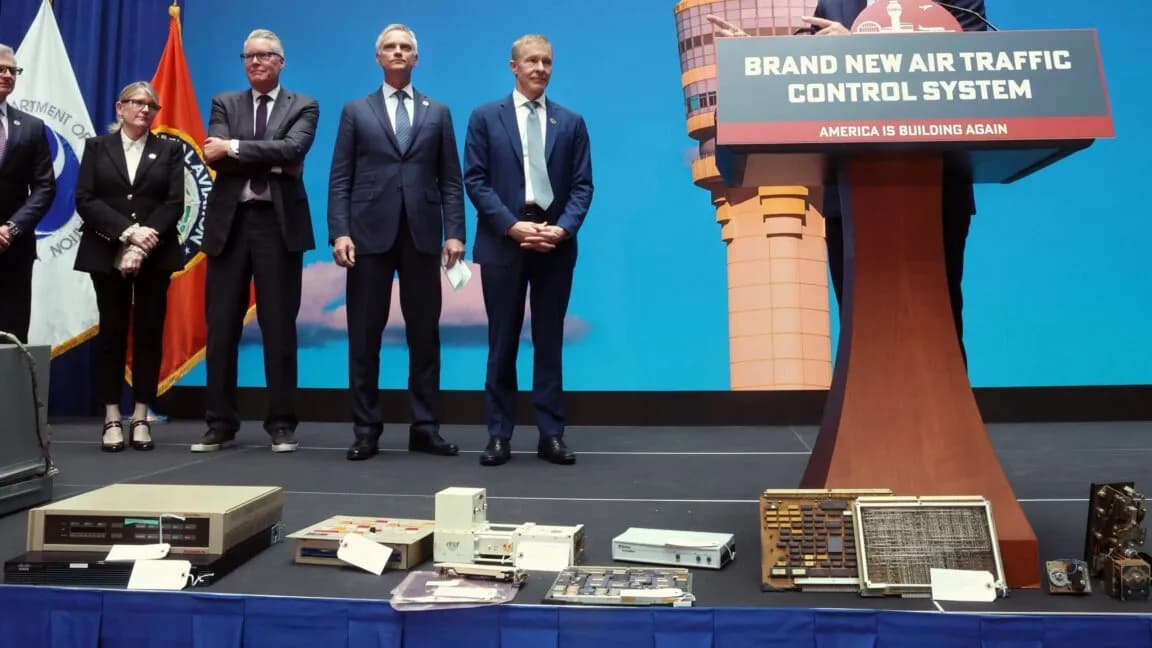
🔗Link·arstechnica.com·1d·Tech FAA to finally ditch floppy disks in what it calls "historic" tech upgrade
Redefining honesty in a crisis: Why truth alone is not enough
'Mega heat waves' strengthened by interaction between soil moisture, atmospheric pressure and temperature
Fruit fly study offers clues to insect survival in a hotter, drier world
MIT Scientists Break a 20-Year Rule And Unlock Never-Before-Seen Crystal Structures
Beyond trial and error: A framework for AI-driven solid-electrolyte discovery
Smart packaging film 'lights up' under UV as meat loses freshness
🔗Link·arstechnica.com·1d·Tech The folks behind John Wick are back with Karōshi trailer
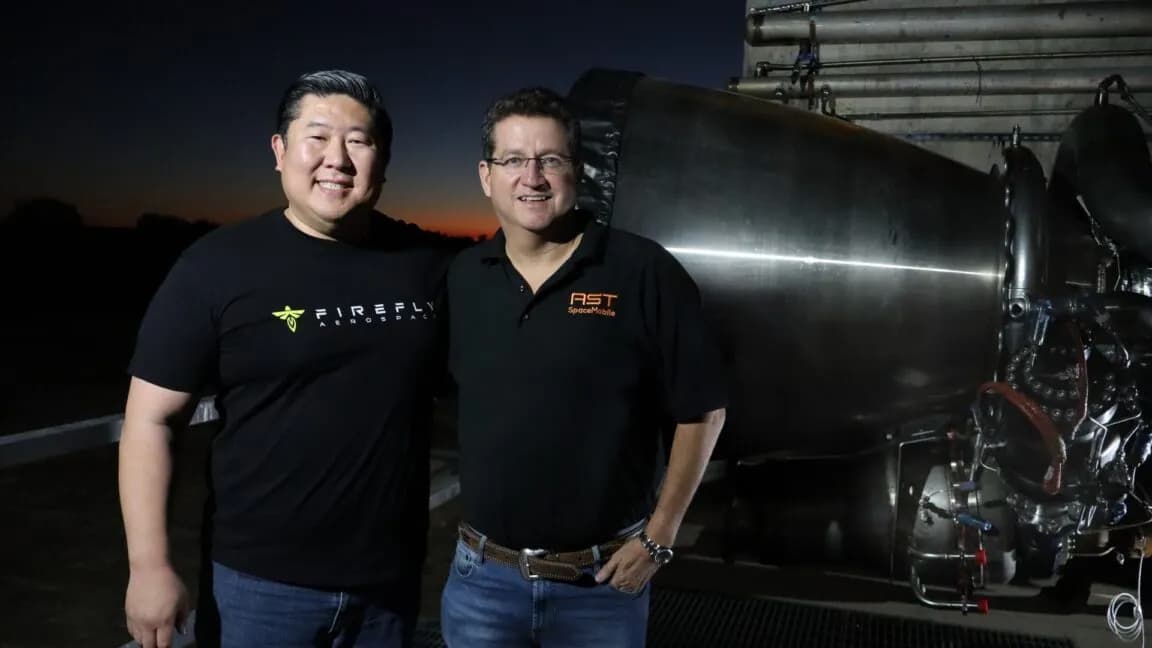
🔗Link·arstechnica.com·1d·Tech AST SpaceMobile is so desperate for launch they're building their own rocket
Noise pollution changes biology or behavior in 80% of animal species studied
The worse climate change gets, the harder it becomes to stop it
SynFit guides enzyme engineering by balancing several useful traits at once
'I heard a barnacle'—how paying attention to nature's background noise can reveal animal secrets
🔗Link·arstechnica.com·1d·Tech “Does Meta think we can’t read?” Meta abandons sketchy commercial terms update.
Vibrating mirrors of light create analog of a black hole event horizon
The John Lewis Christmas ad captures the deep need for grandmothers
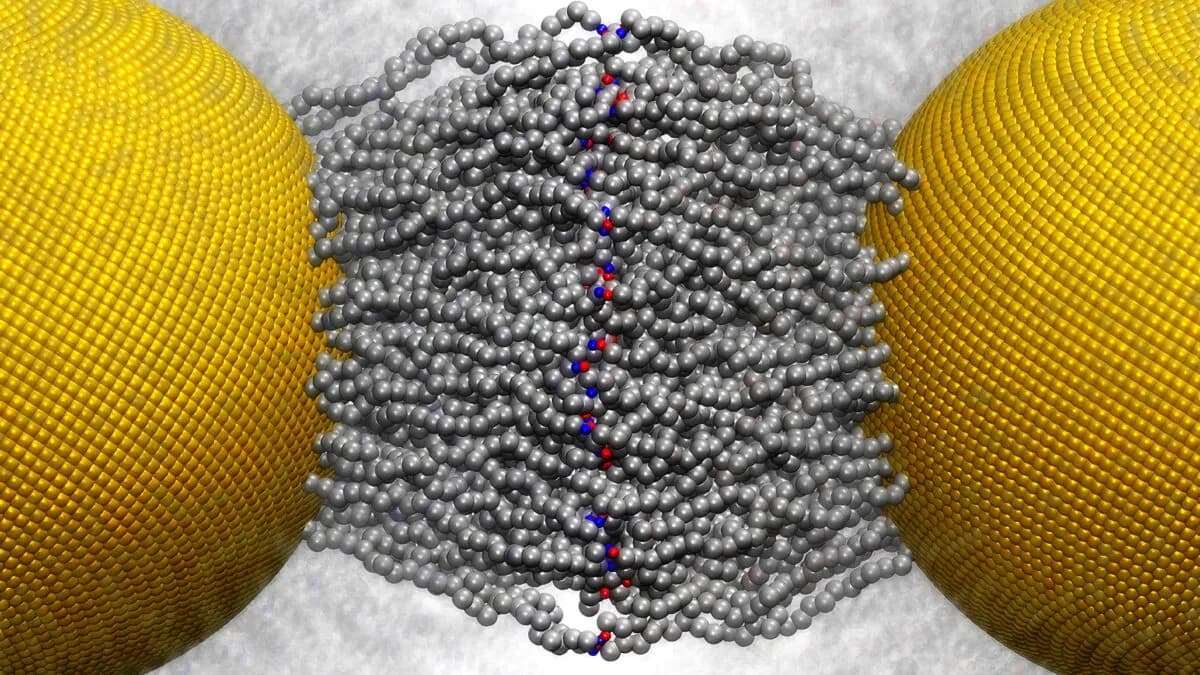
Atom-scale model could help improve material growth for advanced electronics
States tax sports betting heavily, but gamblers may barely feel it
🔗Link·arstechnica.com·1d·Tech Wisconsin reports measles death of a baby, first death in over 35 years
Scientists achieve record-breaking low temperature on China's space station, paving the way for new physics experiments
Evolutionary history and genetic basis of spruce diversification revealed
🔗Link·arstechnica.com·1d·Tech Could potential AI clones of GTA VI force a quicker official port?
'Good' Body Fat Is Linked to Fewer Anxiety And Depression Diagnoses
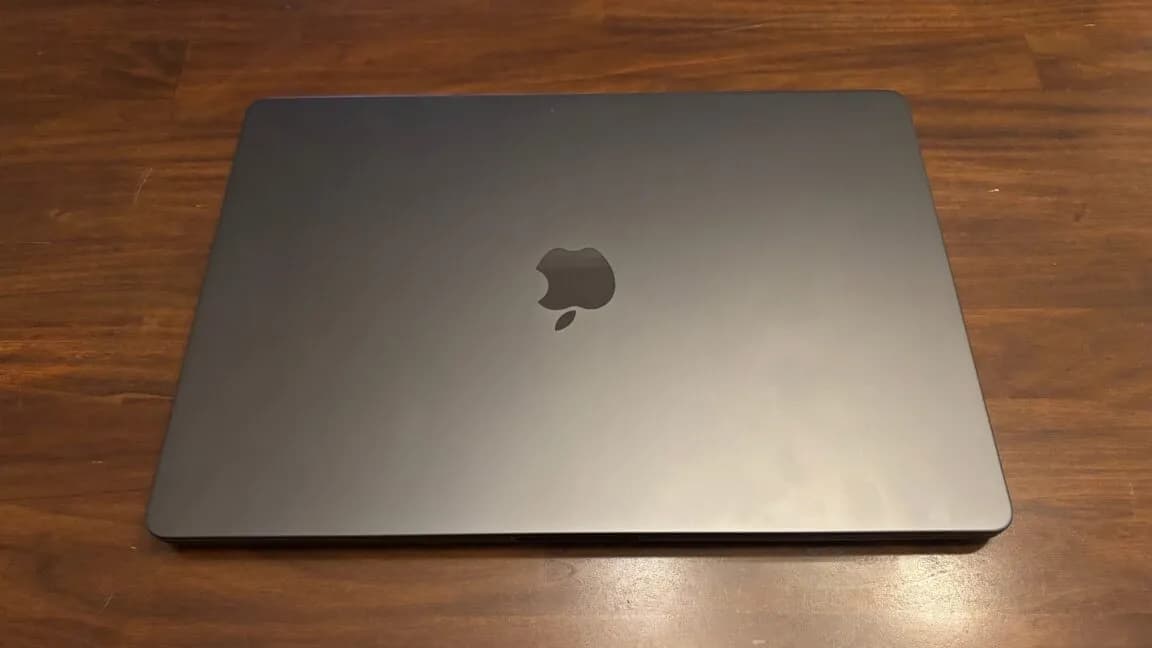
🔗Link·arstechnica.com·1d·Tech It's a weird time to buy a laptop, but the new MacBook Pro doesn't skimp on quality
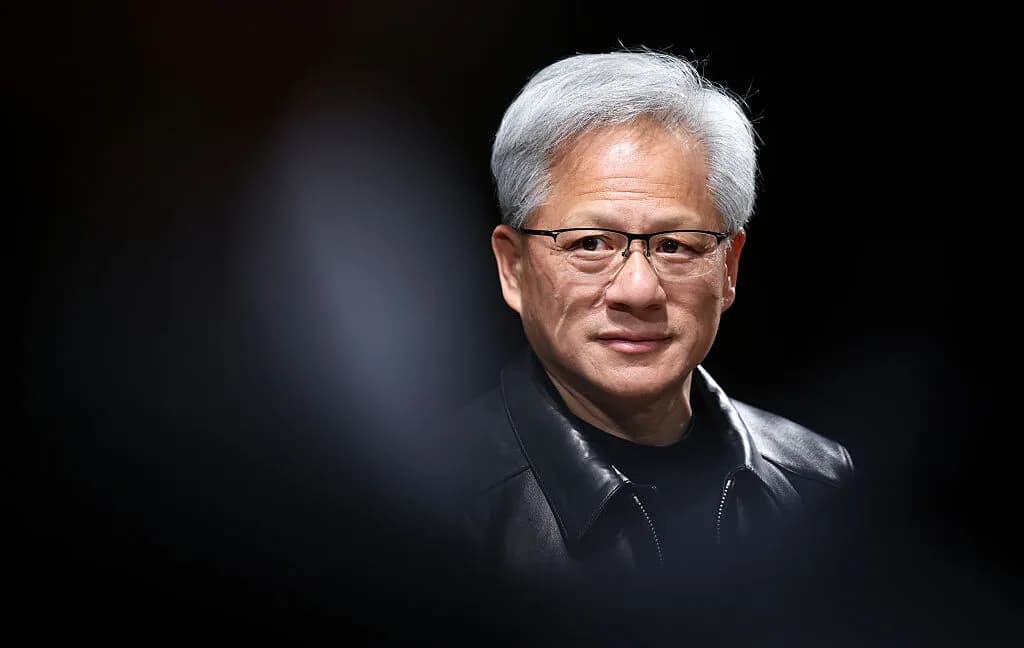
🔗Link·arstechnica.com·1d·Tech Nvidia CEO Jensen Huang summoned by Congress over Chinese espionage concerns
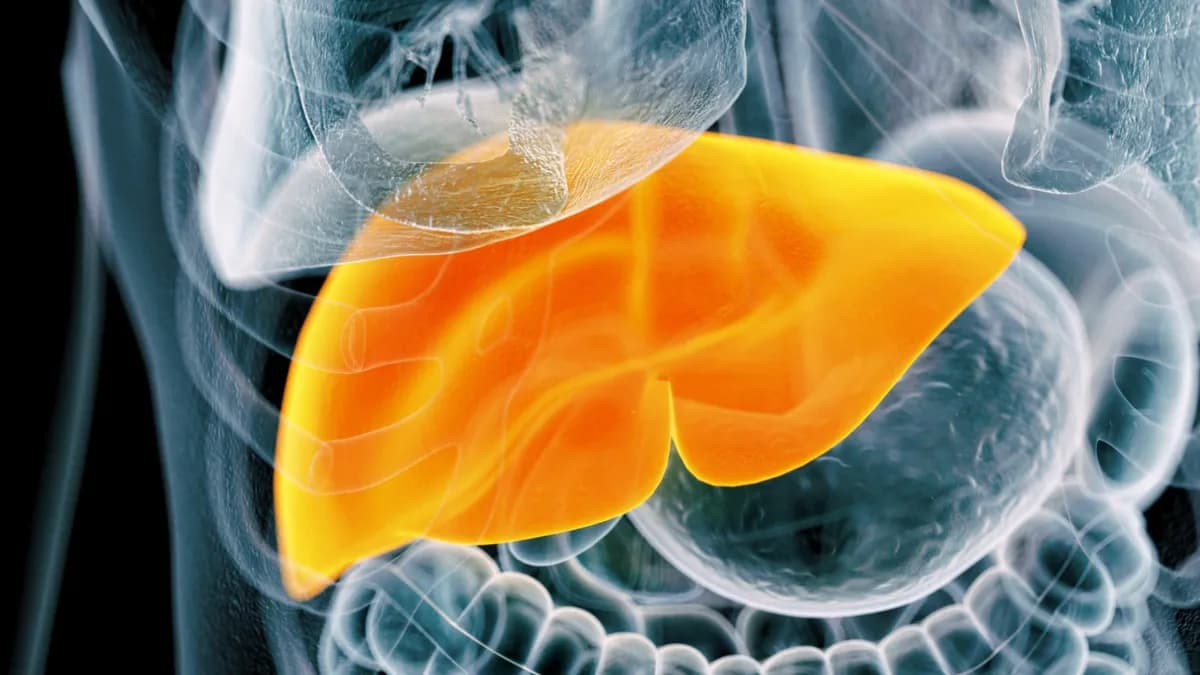
Drug Restores Liver Function in Aging Rats And Halves Levels of an Alzheimer's-Linked Protein
🔗Link·arstechnica.com·1d·Tech The Cybertruck is dead, makes way for Cybercab says Elon Musk
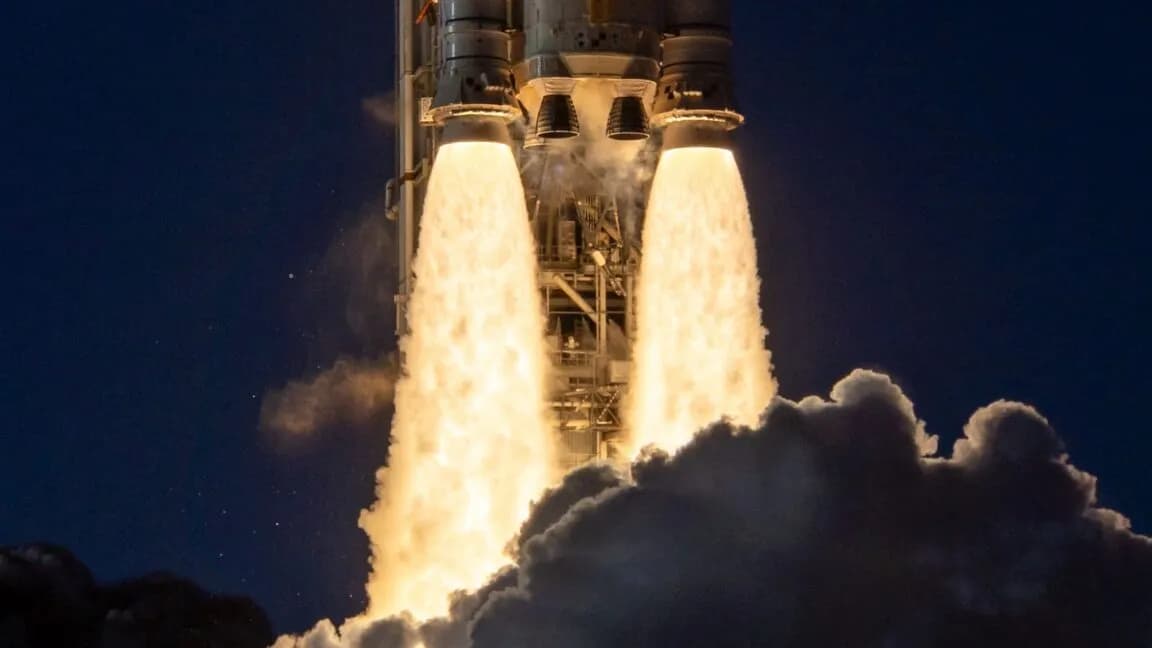
🔗Link·arstechnica.com·1d·Tech Rocket Report: Artemis II literally tore through the atmosphere; New Glenn delay
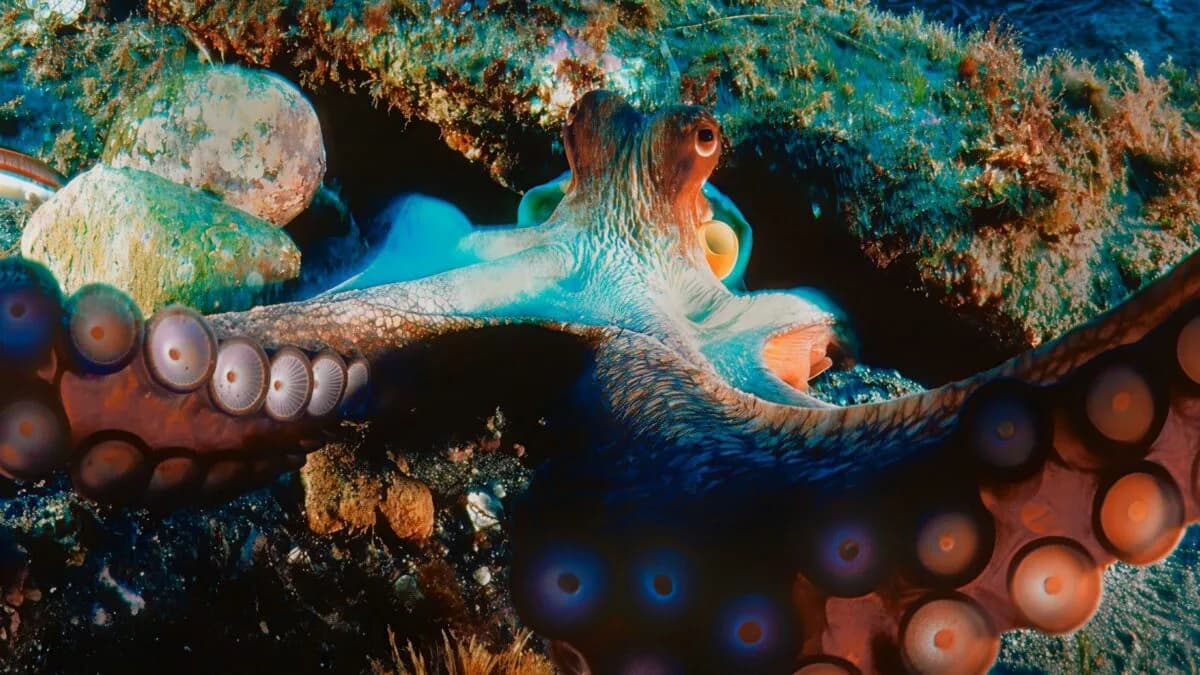
Octopuses Can Squeeze Their Bodies Through Tiny Holes, And Scientists Are in Awe
Bear necessities: Indian techie builds wildlife alert
Investigation links Australian deforestation to beef farming and major bank loans
Adaptation isn't keeping up with global warming, UN warns
New species of sawfly described
How mitochondria keep protein production moving
Research seeks to clarify assisted suicide practices in Germany and inform future regulation
After 42 Years of Searching, Physicists Find Evidence of a One-in-10-Billion Particle Decay
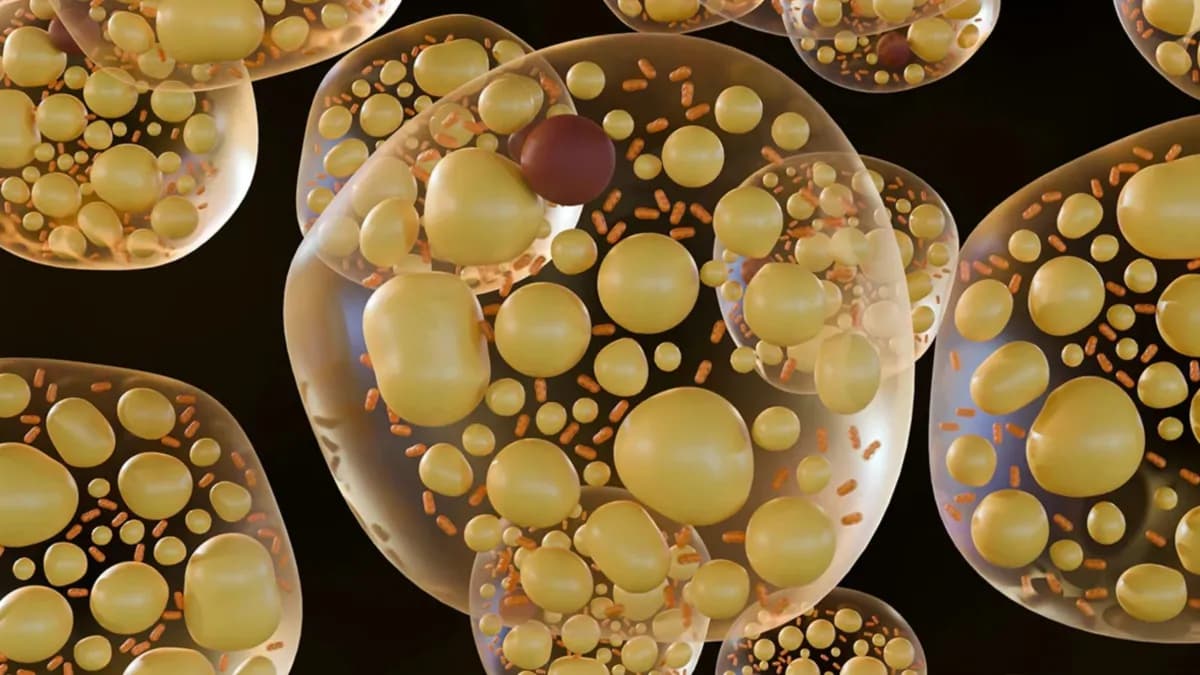
Can engineering solve the forever chemical problem?
Hidden ecological risk from overlooked invasive crayfish species
Successful restoration of fish migration requires more than fish passes
Soccer: Opaque club ownership is more likely associated with higher financial and criminal risks
How often should you be working at the office? Here's what the research suggests
Chemicals in sewage-based fertilizer may persist in farmland soil for years
At 91, Julie Andrews Swears by One Habit Linked to 18% Lower Dementia Risk
Astronomers deliver the sharpest and deepest view yet of the low-frequency radio sky