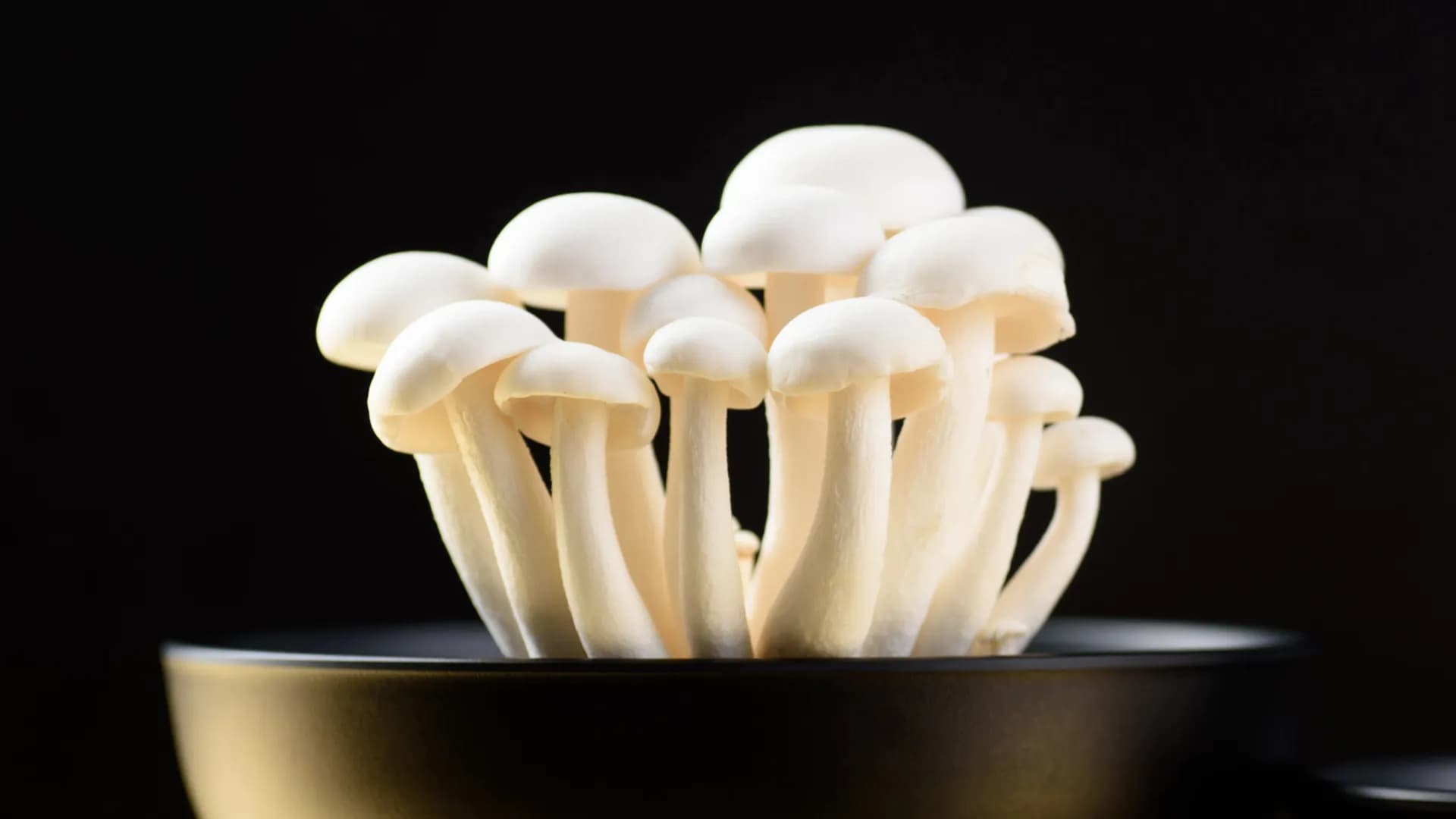
The global burden of premenopausal breast cancer is increasing, with a diet high in red meat contributing the greatest proportion of burden (11.2%) among the seven assessed risk factors. Smoking tobac
Humans could become extinct by the year 2100 due to malicious use of AI or nuclear conflict. They top a list of 17 major threats to human health over the next 75 years, which also includes cuts to aid
A new study says that the vast majority of long-term single adults maintain high and stable life satisfaction over time, despite experiencing wide variations in sexual fulfillment and their desire for
Scientists fed people two 300-calorie meals with nearly identical carbs, fat, protein and salt. One was ultra-processed (deli turkey, instant mash, cookie, cereal), the other wasn't (egg, banana, chee
In a simulation of thousands of chatbot agents, like-minded ones clustered together and their opinions drifted into polarised camps, much as in human networks.
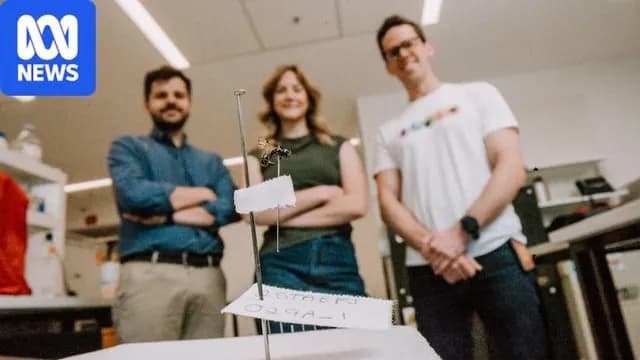
Tiny Fijian bee species first described two years ago already facing extinction | Genomics Reveal Population Crash and Range Contraction in Elusive Fijian Hylaeus Bees
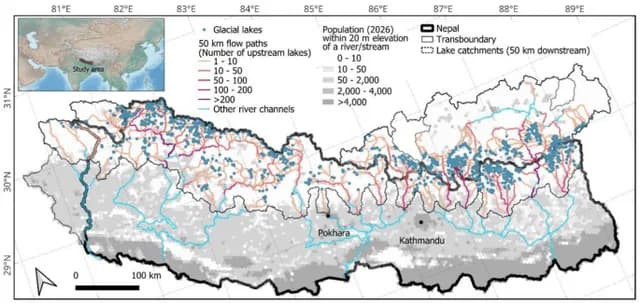
A study of 1,361 Himalayan lakes found building footprints in potential flood zones increased by 46% between 2016 and 2023, rising by 78% in areas at high risk of glacial lake outburst floods, with an
A study of 864 dogs found giant breeds lost approximately 35% more DNA methylation per year at LINE1 transposable elements than small breeds, suggesting that faster epigenetic aging and reduced regula
Cannabis may not actually help you sleep better: a 35-year study of 1,266 U.S. adults found long-term and recent users slept worse when tracked by wrist monitors (more waking up, more broken sleep), y
Researchers from UC Berkeley recently found that spending just 10 minutes relying on an AI tool significantly impairs the user's ability to focus and persist with difficult tasks.
A large Scottish study found that screen time is not consistently tied to children's emotional or behavioral problems once family background and environment are taken into account, suggesting that gui
Children who received more warmth and encouragement at age 3 showed stronger reward-related brain responses from ages 9 to 18, while harsh or intrusive parenting was linked to weaker responses and pot