Skip to main content
Science — ViralHub · ViralHub
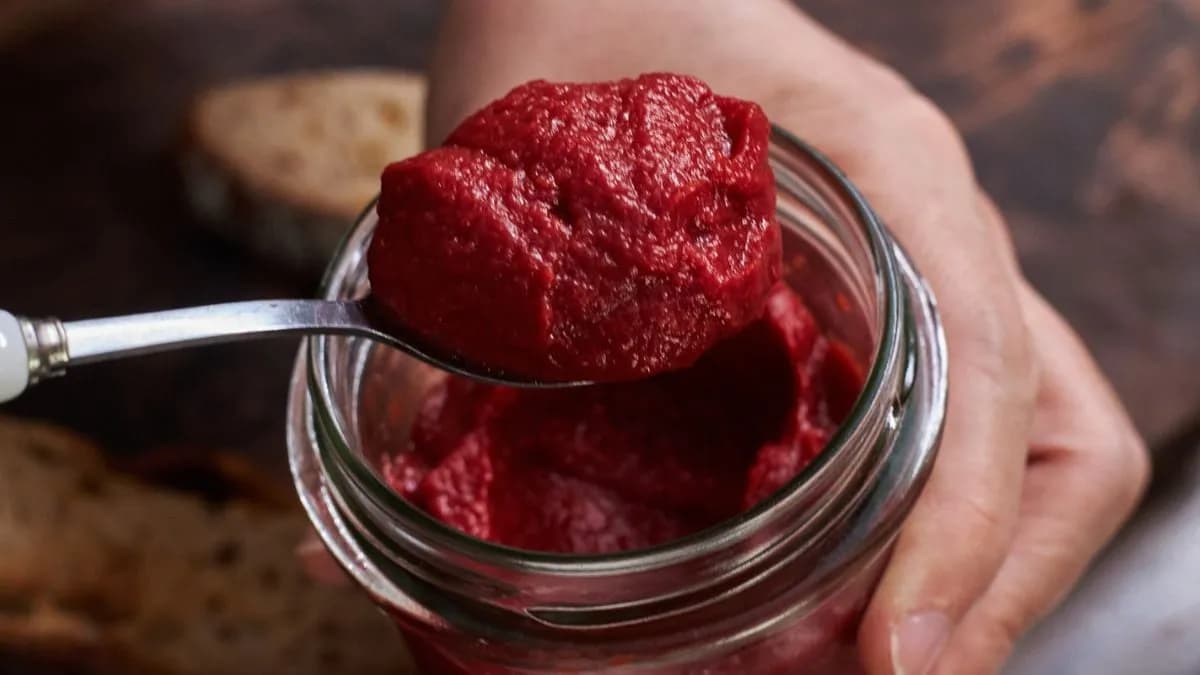
Scientists Had People Eat Tomato Paste For 3 Months. Their Brain Scans Looked Different.
Why a wetter Tibetan Plateau still faces 'hot-dry' extremes: The roles of ENSO and the North Atlantic Some black holes grow much faster than their galaxies One of the oldest known 3D animal fossils found in Norwegian sheep field Germany's 15-year-olds post lowest PISA results since testing began 25 years ago
Researchers rewire ribosomes to specialize in one protein When disaster strikes, what happens to our pets? Prehistoric builders hauled 25-tonne stones at least 18 km to build iconic Devil's Arrows TIL the Budweiser name has been disputed for a century between a Czech and an American company and only one of them can be sold under the name depending on where you are Untangling the meta-biomaterial puzzle one property at a time
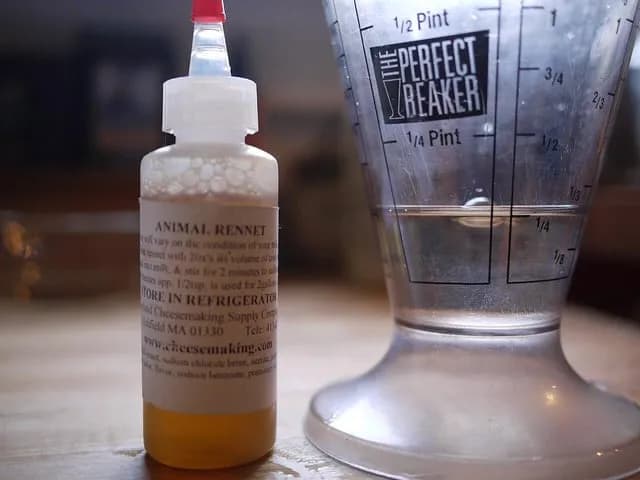
TIL Animal rennet, one of the main ingredients used in making cheese, is gathered from the gut of baby cows, sheep, or goats and is what separates the milk they drink into liquids and solids for diges TIL that Queen Elizabeth II wrote a letter to the citizens of Sydney that is sealed in a vault and forbidden to be opened until 2085. Grandchildren repay childhood care by supporting ailing grandparents in Hong Kong Did wildfires help spark the invention of pottery? Sparse-data method estimates sea surface temperatures 40% more accurately than conventional approach
Portugal's Pinhal Interior shows why fire and floods are part of the same cycle Extremely massive galaxy proto-supercluster smashes distance record A New Study Put People on a Low-Plastic Diet. It Changed The Chemicals in Their Urine. Optimizing tomato plant growth with microbes Waterlogged seeds reveal melons' ancient journey
NASA technique for manipulating satellite photos now reveals ancient images A crystalline sponge reveals structures of large 'beyond rule of 5' molecules Scientists Are Making Concrete With Human Poop – And It Gets 42% Stronger Scientists Uncover a Surprising Gut Connection in Fatal Asthma Changing the antibiotic playbook to catch an ESKAPE artist
Early Earth's auroral belts may have formed a natural ion-beam reactor for prebiotic chemistry Crime is falling—but the public doesn't feel safer, UK study finds Park rangers and residents speak up to save Togo's last national park Scientists Uncover Shared Genetic Roots of OCD, Tourette Syndrome, And Autism AI governance model inspired by Pope Leo XIV aims to put ethics first
Bumpy battery surfaces can masquerade as nanoscale ion pathways, misleading material design War drama Pressure depicts D‑day's weather forecast—what we found when we recreated the challenge using modern systems Survey of young researchers raises concerns over future of science in U.S. From strays to territory bosses: Epigenetics makes cheetahs adaptable A child's first 5 years set them up for life. African study explores how to target education spending
The listening gap is real—how AI might help teachers bridge it 'The Jungle Book' offers an unconventional tool for undergraduate economics education Drilling Accidentally Created a Methane Leak Beneath The South China Sea. Within a Year, Animals Helped 'Plug' It. Port Hills research reveals 'fire trap' risk from non-native grass Ships, ice cores and krill surveys underpin Australia's 10-year Antarctic monitoring strategy
Why 'you're smart' can backfire: Young children may cheat more after ability praise Stripped-down LSD reveals structural features linked to hallucinogenic and therapeutic effects How climate change may amplify the impact of earthquakes in the Arctic 'Heel-strike' may have allowed early humans to walk farther—at the cost of high-impact forces What can a pair of underpants tell you about your vegetable garden?
Neutrophil vesicles help Candida albicans evade immune-cell engulfment Yes, passing 1.5 C of global warming is cause for alarm, but not despair Reversible electric control unlocks persistent chiral phonon states New report offers lessons for preserving cultural heritage in crisis zones Entangled particles revive a 35-year-old test of the Standard Model